
TECHNOLOGY
OUR TECHNOLOGY
Our Biogas Technologies
Biogas technology is a sustainable approach to converting organic waste materials into valuable renewable energy resources.
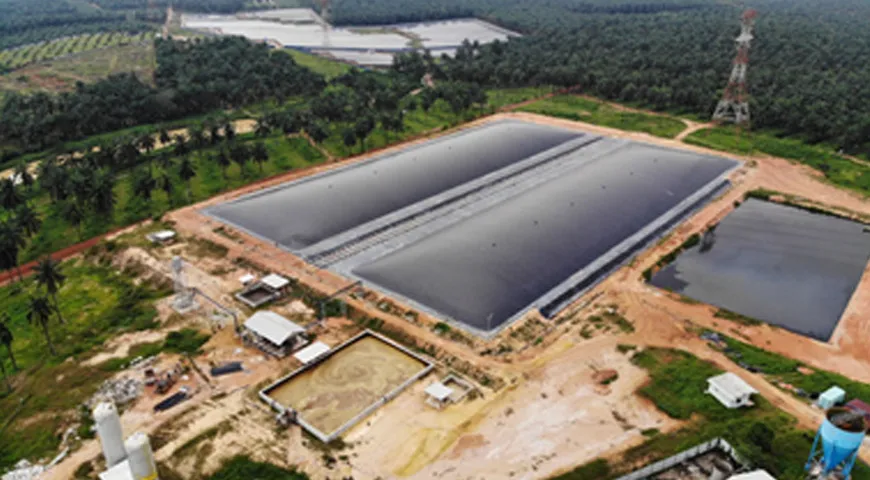
RNT-HYBRID ANAEROBIC DIGESTER
- Combines lagoon and tank digester advantages
- Efficient plug-flow digestion process
- Simple recirculation agitation mechanism
- High biogas yield with COD removal ≥ 90%
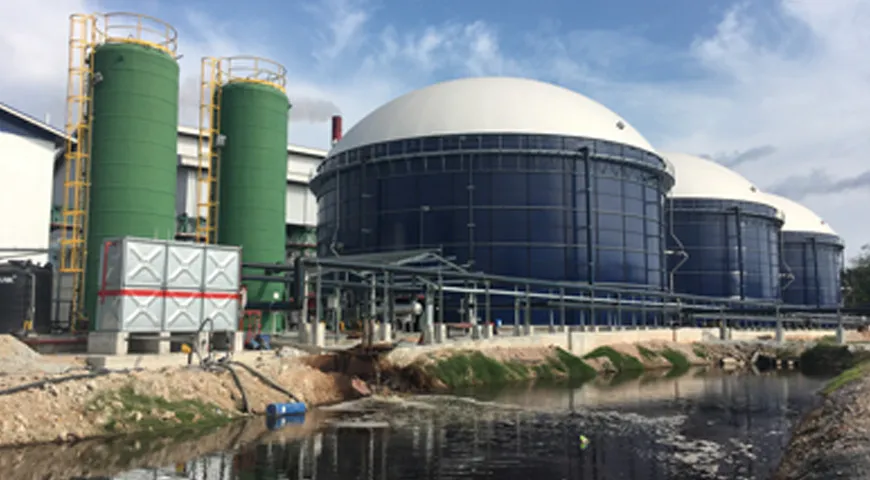
RNT-CSTR ANAEROBIC DIGESTER
- Fully mixed anaerobic digestion system
- Compact and space-efficient design
- Shorter hydraulic retention time (HRT)
- High biogas yield with COD removal ≥ 95%
- Suitable for high-solid content and co-digestion
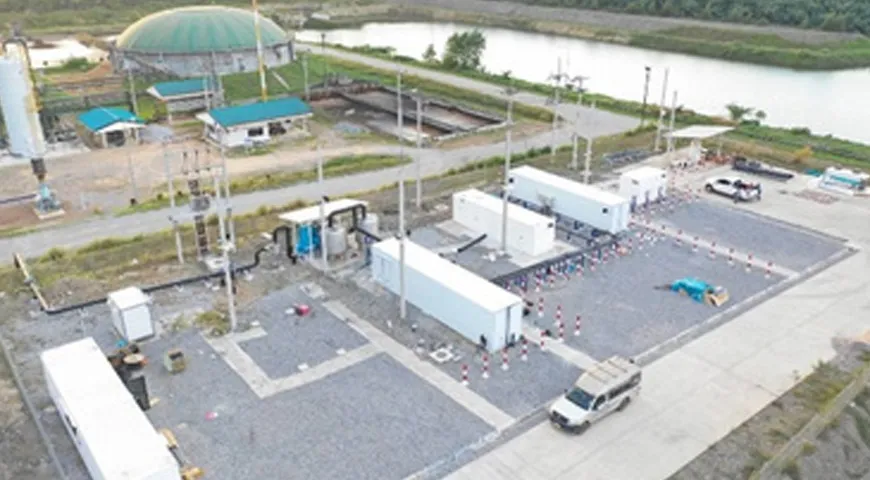
RNT-CBG BIO-METHANE SYSTEM
- Proven Compressed Bio-Methane (CBG) technology
- Biogas upgrading via Water Scrubbing, Membrane Separation & PSA
- Clean biofuel for NGV, LPG replacement, and grid injection
OUR TECHNOLOGY
Our Biogas Technologies
Biogas technology is a sustainable approach to converting organic waste materials into valuable renewable energy resources.

ADVANTAGES
- Low Construction Costs: Covered lagoon anaerobic digester often has lower capital investment cost. The earthwork excavation and geomembrane lining of digester are typically less expensive.
- Ease of Construction: Covered lagoon digester is relatively straightforward to construct. They often involve excavating a depression in the ground and lining it with impermeable materials.
- Natural Process: The anaerobic digestion in lagoons relies on natural microbial activity requiring minimal mechanical intervention. It’s a relatively simple and low maintenance approach.
CONSIDERATIONS
- Land Area: Covered lagoon requires larger footprint, making them more suitable for locations with ample space.
- Pit Soil Area: May have high permeability, can allow gas and liquids to escape, reducing the efficiency of the digester and potentially causing environmental contamination.

ADVANTAGES
- Space Efficiency: CSTRs are more compact and can be installed in areas with limited space.
- Controlled Environment: CSTRs provide better control over the anaerobic digestion process, allowing for optimized gas production and faster decomposition.
- Flexible Design: CSTRs can be easily scaled up to accommodate changes in feedstock availability or processing requirements. Retrofit and upgrading of existing plant are greatly facilitated.
- Co-Digestion: CSTRs accept multiple co- digestion feedstocks, typically capable to handle a solid content up to 15%.
CONSIDERATIONS
- Higher Construction & Operational Costs: CSTRs generally have higher initial costs due to the need for more intricate construction and materials.
- Maintenance: CSTRs may require more maintenance and monitoring to ensure proper functioning.